 The pun
T-Shirt
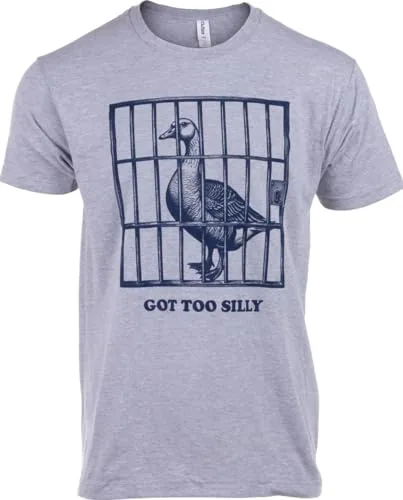
Animal Pun T-Shirt, size M
cut for men
Printed by Ann Arbor T-shirt Co.
4.7 out of 5 · 170 ratings$14.99
You buy a funny shirt for the front and then live with it because of the label. Here is what that label is legally obliged to carry, what it never says, and how to read the gap.
You choose a shirt for the front of it. Every disappointment that follows comes from the small piece of fabric somebody sewed into the back of the neck.
That label is not decoration and it is not optional. Two federal rules decide most of what appears on it, and once you know what they require you can read any shirt in about four seconds, these ones included.
Start with where it is. The rule on textile labelling is specific about it, and specific in a way that explains why every shirt you own itches in the same spot.
Each textile fiber product with a neck must have a label disclosing the country of origin affixed to the inside center of the neck midway between the shoulder seams or in close proximity to another label affixed to the inside center of the neck.
So a neck label is not a habit, it is a requirement, and the country of origin has to be on the front of it. Everything else can be on the back of that label or on another one somewhere in the side seam, and that is how the fibre content ends up on a strip you have to fish out.
Printed shirts complicate this in a way nobody warns you about. A blank shirt is made in one place and printed in another, and the country on the neck label is the country the blank came from. It is not a claim about where the goose was printed.
The second required fact is identity, and it comes in two flavours: a name, or a number that stands for a name.
The name, provided for in § 303.19, or registered identification number issued by the Commission, of the manufacturer or of one or more persons marketing or handling the textile fiber product.
That number is the RN, and it is the most useful thing on the whole label. Type it into the Commission's public lookup and you get the company behind the shirt, which on a print-on-demand item is often not the name on the product page at all.
Every card here carries the printer's name on a card wherever the product page publishes one. Across the whole catalogue that is 180 different names, which tells you the useful thing about this joke: no single company is behind it and no single company is responsible for it.
Fibre content is the third required fact and the one that predicts how the shirt will behave. It is worth reading as three separate promises rather than one.
One hundred per cent cotton shrinks in a hot wash, breathes in July and holds a screen print better than anything else here. A cotton and polyester blend shrinks less, holds colour longer and feels warmer against the skin. A tri-blend with rayon in it drapes softly, feels expensive and is the most likely of the three to lose its shape at the shoulder.
None of that is on a product page. All of it follows from a number the label is required to carry, and it is why fibre content is worth more than any adjective in a product title.
| Department | Things | Cheapest | Typical | Dearest |
|---|---|---|---|---|
| T-Shirts | 79 | $9.99 | $14.99 | $26.99 |
| Sweatshirts & Hoodies | 44 | $12.49 | $20.99 | $35.95 |
| Long Sleeve Shirts | 13 | $17.99 | $22.99 | $27.99 |
| Tank Tops & Crop Tops | 37 | $15.27 | $19.85 | $21.99 |
| Kids & Toddler | 51 | $7.20 | $16.99 | $34.95 |
| Hats & Caps | 61 | $3.55 | $14.99 | $19.99 |
| Mugs & Drinkware | 83 | $2.99 | $18.49 | $29.99 |
| Tote Bags | 26 | $3.99 | $15.94 | $24.99 |
| Home & Wall | 30 | $5.19 | $19.99 | $34.64 |
| Pins, Patches & Gifts | 58 | $3.99 | $7.99 | $26.99 |
The table is a fibre story in disguise. The departments at the cheap end are printed on light blanks, and the ones at the dear end are printed on heavy ones or stitched rather than printed at all.
Care instructions are governed by their own regulation, and it starts by defining what a care label even is.
Care label means a permanent label or tag, containing regular care information and instructions, that is attached or affixed in such a manner that it will not become separated from the product and will remain legible during the useful life of the product.
Two words there do a lot of work. Permanent means it cannot be a hang tag you throw away in the shop. Legible during the useful life of the product means the printing has to survive the washes it is telling you about, so care labels come woven or heat-stamped rather than printed in ink.
The rule then goes further and makes silence itself an offence.
To fail to disclose to a purchaser, prior to sale, instructions which prescribe a regular care procedure necessary for the ordinary use and enjoyment of the product
Read that twice, because it is the most useful sentence in either rule. A missing instruction is not a gap, it is a failure. If a garment arrives with no care label at all, that is information about the printer rather than about the fabric.
Here is the gap, and it is a wide one. Nothing anywhere requires a printer to state the print method, the weight of the blank, the brand of the blank, whether the print is on the front or the back, or how the garment is sized.
That last one is worth sitting with. The label in your neck is regulated down to which side of the tag the country goes on, and the number printed next to it means nothing at all in law.
Every rule above governs the garment. None of them governs the drawing on the front, which is the part you are actually buying and the part that fails first.
A screen print is ink pushed through a mesh and cured with heat. It sits slightly proud of the fabric, it feels like a thin skin under a finger, and when it fails it cracks in straight lines along the folds. That is the print on most of the cheaper shirts in this catalogue and it is the one that survives a decade if it is never tumble dried.
A direct to garment print is inkjet, sprayed into the cotton rather than onto it. It feels like nothing at all, it handles complicated artwork that a screen cannot, and it fades rather than cracks. On a black shirt it needs a white underbase first, and that underbase is what goes slightly grey after a year on dark cotton while the same print on white does not.
A vinyl transfer is a cut sheet pressed on with heat. It is the shiniest of the three, it feels like a sticker because it is one, and it is the only one that peels at a corner. If a print on a shirt looks glossier than the fabric around it, that is what you have.
Nobody is required to tell you which of the three arrived, and almost nobody does. What you can do is look at the photograph for gloss, look at the price against the table above, and then wash the thing inside out and cold, which is the right answer for all three.
Care labels on imported blanks often carry symbols instead of sentences, and the four that matter are learnable in a minute. A tub is washing and the number in it is the temperature ceiling. A square with a circle in it is tumble drying, and dots inside that circle are heat levels. A triangle is bleach. An iron is an iron, and a cross through any of them means do not.
A tub with a hand in it means hand wash, and on a printed shirt it usually means the printer knows something about the print. It is the one symbol worth obeying literally.
None of those four require the printer to have been honest. They require the printer to have published, which is a lower bar and a much easier one to check.
Every card here carries what the product page published and nothing more. Where a fibre is stated, it is on the card. Where it is not, the card is silent rather than guessing, and that silence is the honest answer to a question nobody answered.
The other two pieces in this journal cover the questions this one leaves open: what changes when you are buying for a child, and why the same joke costs nine dollars in one place and thirty in another.
Where this came from
Office of the Federal Register
16 CFR Part 303, Rules under the Textile Fiber Products Identification Act
Office of the Federal Register
16 CFR Part 423, Care Labeling of Textile Wearing Apparel
Every source above was opened and read on the date shown. Where a page says something we cannot check ourselves, we quote it and name it rather than restating it as our own.
Things this piece is about
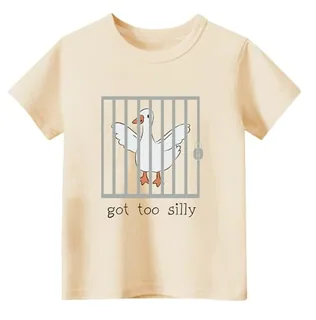
The puncut for men
Printed by Ann Arbor T-shirt Co.
4.7 out of 5 · 170 ratings
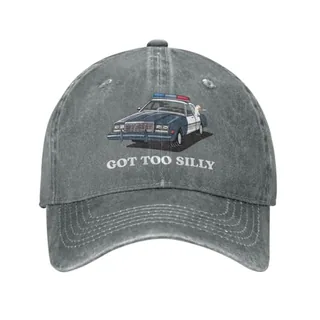
The puncut for men
Printed by Ann Arbor T-shirt Co.
4.7 out of 5 · 170 ratings
The puncut for men
Printed by Ann Arbor T-shirt Co.
4.7 out of 5 · 170 ratings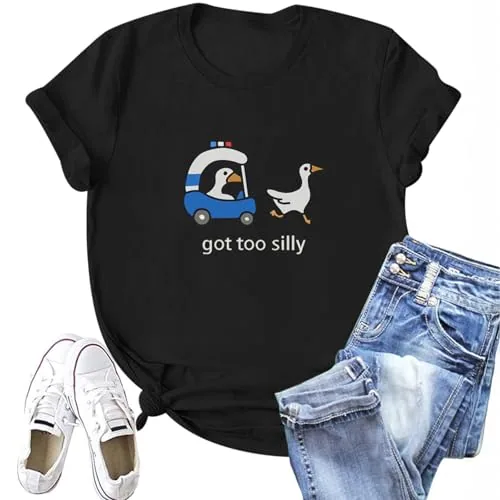 Just words
cut for women
Printed by Migxsaf
4.6 out of 5 · 107 ratings