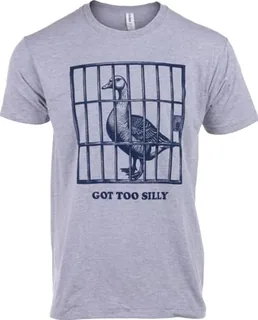
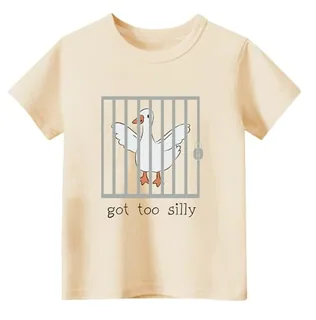
 Just words
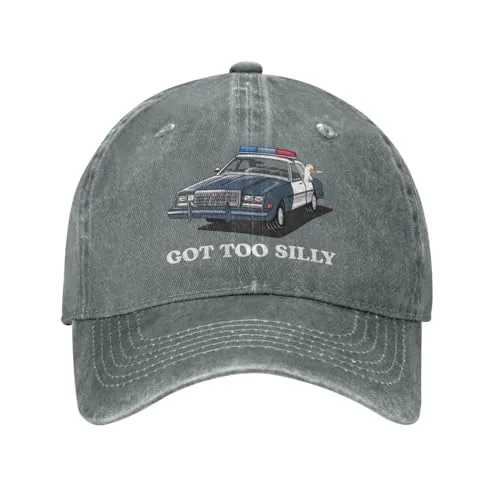
Baseball Cap
Baseball Cap, Gray
cut for women
Printed by Sefgaen
4.6 out of 5 · 273 ratings$16.98
The goose is free. Everything under it is not. Here is what you are paying for when two apparently identical shirts are twenty dollars apart, counted from this catalogue.
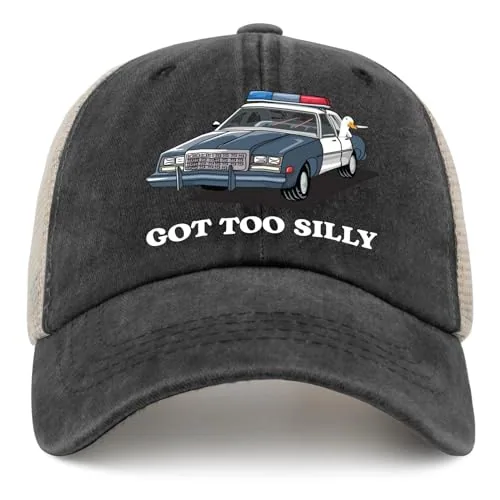
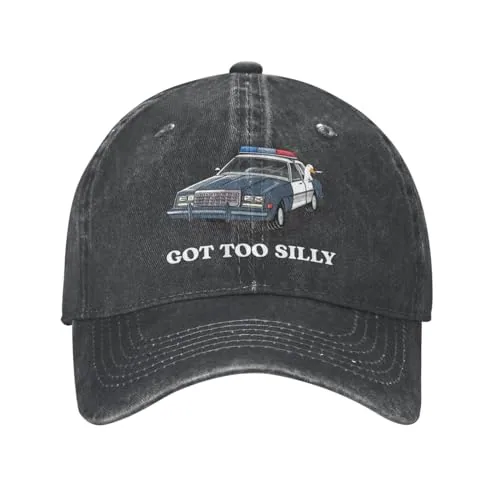
Nobody owns this joke, so nobody is charging you for it. Two shirts with the same four words on the front can still be twenty dollars apart, and none of that gap is the drawing.
Four things move the number, and all four are visible if you know where to look.
Every printed shirt starts as a plain one bought by the case. That blank is the single biggest line in the price and the one least often mentioned.
A light 4.2 ounce blank costs the printer a couple of dollars. A heavyweight 6 ounce blank in ring-spun cotton costs several times that, feels completely different in the hand, and is the reason a shirt can be thirty dollars with an identical print on it.
You can usually tell from the photograph. A cheap blank drapes limply on a mockup and shows the shape of the body under it. A heavy one holds a straight line at the hem. No rule requires anybody to disclose either number, and that makes the blank the biggest unlabelled variable in the whole category.
| Department | Things | Cheapest | Typical | Dearest |
|---|---|---|---|---|
| T-Shirts | 79 | $9.99 | $14.99 | $26.99 |
| Sweatshirts & Hoodies | 44 | $12.49 | $20.99 | $35.95 |
| Long Sleeve Shirts | 13 | $17.99 | $22.99 | $27.99 |
| Tank Tops & Crop Tops | 37 | $15.27 | $19.85 | $21.99 |
| Kids & Toddler | 51 | $7.20 | $16.99 | $34.95 |
| Hats & Caps | 61 | $3.55 | $14.99 | $19.99 |
| Mugs & Drinkware | 83 | $2.99 | $18.49 | $29.99 |
| Tote Bags | 26 | $3.99 | $15.94 | $24.99 |
| Home & Wall | 30 | $5.19 | $19.99 | $34.64 |
| Pins, Patches & Gifts | 58 | $3.99 | $7.99 | $26.99 |
Read the spread between cheapest and typical rather than the cheapest alone. Where those two numbers sit close together, everything in that department rides on similar blanks. Where they sit far apart, you are choosing between two completely different products.
Screen printing has a setup cost per colour and then costs almost nothing per shirt, so it gets cheaper the more shirts are made. Direct to garment has no setup at all and a fixed cost per shirt, so it never gets cheaper. Embroidery is priced by stitch count and is the dearest of the three by a wide margin.
That explains the shape of this catalogue exactly. At the cheap end sit screen printed shirts from printers who committed to a run. At the dear end sit embroidered caps, where a machine stitches the goose instead of printing it and somebody paid for every stitch.
Embroidery is also the only one of the three that does not crack, fade or peel, so the premium buys something real. It is the clearest honest trade in this whole shop.
Print area is priced like floor space. A pocket-sized goose over the heart costs a fraction of a full front print, and a design that runs across the back as well is roughly double again.
Colour count matters on screen prints for the same reason: each colour needs another screen, another setup and another pass. The one-colour white goose on black that dominates this catalogue is the cheapest thing a screen printer can make, and that explains exactly how much of it there is.
So a full-colour goose on a coloured shirt is not a printer being greedy. It is four or five screens instead of one.
This is the variable with a federal rule attached, and the rule is stricter than most people assume. It starts by defining the claim itself.
The term Made in the United States means any unqualified representation, express or implied, that a product or service, or a specified component thereof, is of U.S. origin
Unqualified is the word to hold on to. Made in the USA with no further explanation is a specific legal claim rather than a marketing flourish, and printed in the USA on an imported blank is a different statement entirely.
The rule then says what the unqualified claim requires.
to label any product as Made in the United States unless the final assembly or processing of the product occurs in the United States, all significant processing that goes into the product occurs in the United States
Final assembly and all significant processing, in the United States. On a printed shirt the blank is the product and the printing is a step, so a shirt cut and sewn overseas does not become American by being printed in Ohio.
This matters at the till because domestic blanks cost more, and a printer who is genuinely using them has a reason to say so precisely. A product page that says printed in the USA is being accurate about the step it controls. One that says Made in the USA is making the bigger claim, and the rule above is the standard it has to meet.
You do not have to take a product page's word for any of this, because the neck label is required to carry the origin and to carry it on the front of the tag.
Each textile fiber product with a neck must have a label disclosing the country of origin affixed to the inside center of the neck midway between the shoulder seams or in close proximity to another label affixed to the inside center of the neck.
So the shirt answers the question itself, after it arrives. That is late, but it is definitive, and it is the only fact in this entire article that somebody is legally obliged to give you.
Everything above is about garments, and this shop is only half garments. On a mug the four variables collapse into two, and the price behaves completely differently.
A ceramic mug is a commodity: the blank costs about the same wherever it comes from, and the printing is a sublimation transfer that takes a minute. That gives the drinkware department the tightest spread here, and it makes the cheapest mug and the dearest mug usually the same object with different postage.
The exceptions are the ones worth paying for. A stainless tumbler costs real money because the vessel does. A two-sided print costs a second pass. And a mug that is genuinely dishwasher safe has been printed with a process that survives a dishwasher, which is not the process used on the cheapest ones.
So on drinkware the useful question is not how much but which process, and the only honest signal available is whether the product page commits to a dishwasher at all.
Every number here is the item price. It is not the total, and at the cheap end of this catalogue the gap between the two can outgrow the item itself.
A three dollar sticker and a nine dollar sticker can arrive at the same total, which makes the cheaper product page look like a bargain right up to checkout. That is not something we can show you, because delivery is worked out at checkout with our retail partner and depends on where you are and what else is in the basket.
The practical consequence is worth stating plainly: on anything under about ten dollars, compare totals rather than prices, and buying two small things at once is almost always cheaper than buying them a week apart.
Worth product page, because these are the things people assume are doing the work.
Which leaves the four real ones: the blank, the method, the area and the origin. Three of those are visible in a good photograph and the fourth is on the label.
If the shirt is a joke for one evening, buy the cheapest one in the version you like and expect it to look tired in a year. That is not a failure, it is the correct amount of money for the job.
If it is going into a regular rotation, spend the extra on the blank rather than on anything else. A heavy shirt with a plain screen print outlasts a light shirt with a beautiful one, every time.
And if it is a gift for somebody who will wear it for years, the embroidered cap is the only thing in this shop that will still look new when they do.
The prices on every card here are what we last recorded, and the page on prices explains how and when they move. Nothing here is priced by us: we read 482 product pages from 180 printers and put the numbers next to each other, which is the only thing that makes a twenty dollar gap visible at all.
Where this came from
Office of the Federal Register
16 CFR Part 323, Made in USA Labeling
Office of the Federal Register
16 CFR Part 303, Rules under the Textile Fiber Products Identification Act
Every source above was opened and read on the date shown. Where a page says something we cannot check ourselves, we quote it and name it rather than restating it as our own.
Things this piece is about
Just wordscut for women
Printed by Sefgaen
4.6 out of 5 · 273 ratings
Just wordscut for men
4.5 out of 5 · 237 ratings
Just wordscut for men
4.6 out of 5 · 273 ratings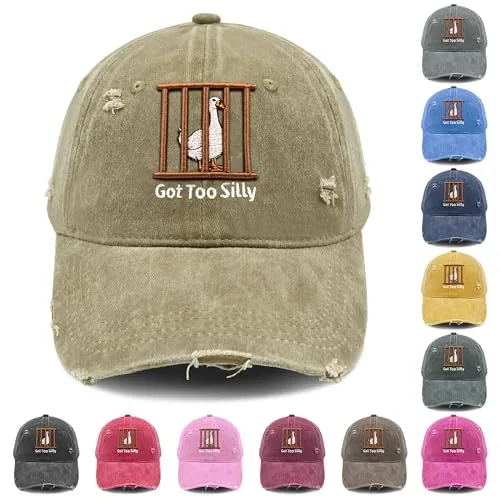 Just words
100% cotton · cut for unisex
Printed by Wkhrsyt
4.6 out of 5 · 44 ratings